Utilising Technology to Improve Construction Survey Outcomes
Table Of Contents
Implementing Building Information Modelling (BIM)
The adoption of Building Information Modelling (BIM) has transformed the construction industry by streamlining design and project management processes. This advanced modelling technique enables architects, engineers, and contractors to create detailed digital representations of physical and functional characteristics of buildings. By utilising BIM, stakeholders can visualise a project in its entirety before construction begins, helping to identify potential clashes and inefficiencies during the planning phase.
BIM promotes collaboration among team members through shared access to a centralised digital model. This encourages real-time updates and modifications, ensuring that everyone involved is aligned and informed throughout the project lifecycle. Moreover, the integration of various data sets within the BIM framework facilitates better decision-making and enhances overall project delivery, leading to improved quality and reduced costs in construction outcomes.
Improving Communication and Efficiency
Clear communication among stakeholders is crucial in the construction industry. Effective interaction among architects, engineers, contractors, and clients reduces misunderstandings and misinterpretations. Technologies such as instant messaging platforms and project management tools streamline communication channels. These innovations facilitate real-time collaboration, ensuring all parties remain informed about project developments and changes.
Improving efficiency through technology also involves the integration of communication tools with existing workflows. Virtual meetings and shared project management dashboards enhance transparency, enabling quick access to project information. This interconnectedness not only saves time but also minimises the risk of errors that can arise from outdated or miscommunicated data. By fostering a culture of open communication, teams can respond swiftly to challenges and adapt to the evolving demands of construction projects.
Remote Sensing Technologies in Construction Surveys
The incorporation of remote sensing technologies has transformed the approach to construction surveys by enabling accurate and efficient data collection over large areas. Tools such as LiDAR and aerial imagery facilitate the rapid assessment of site conditions, allowing surveyors to capture detailed topographical information. These technologies provide insights that were previously difficult to obtain, enhancing planning and decision-making processes without the need for extensive manual surveys.
Additionally, remote sensing aids in monitoring project progress in real-time. This capability allows for proactive management of potential issues by providing updates on site conditions and changes. The integration of these technologies reduces the risk of costly delays and inaccuracies, supporting timely interventions throughout the construction lifecycle. By leveraging high-resolution data, project teams can improve their accuracy and efficiency, leading to better overall outcomes.
Innovations in Site Assessment and Monitoring
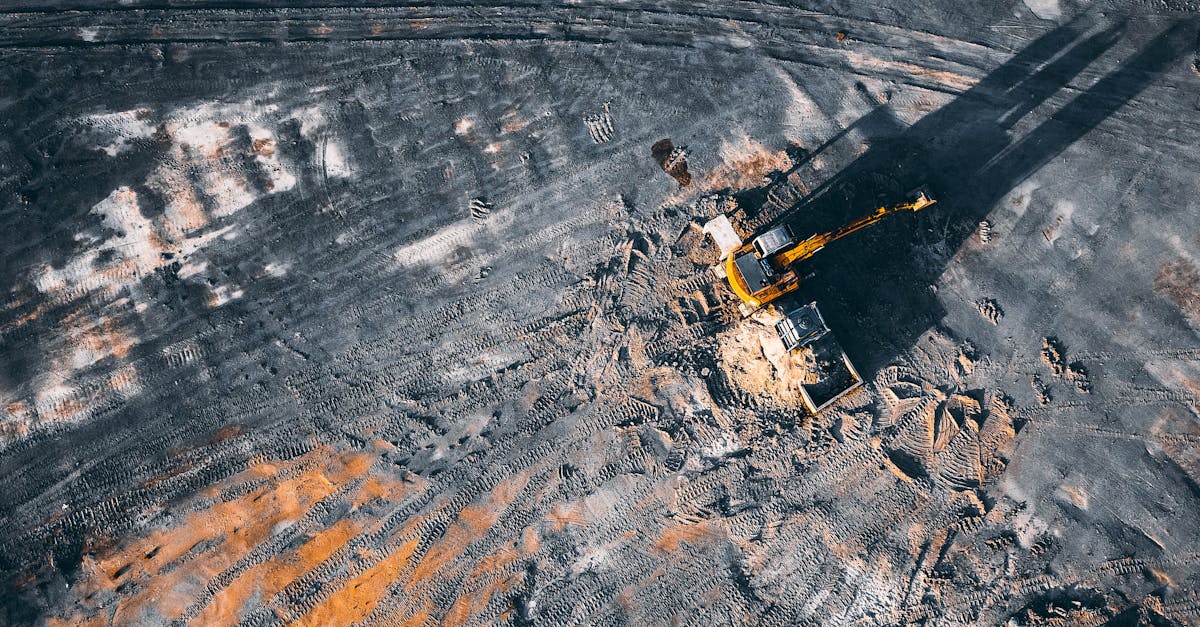
Advancements in technology have transformed how site assessments and monitoring are conducted in the construction industry. Drones equipped with high-resolution cameras enable surveyors to capture aerial imagery of construction sites quickly. This aerial view enhances the ability to identify potential issues early in the project lifecycle. Additionally, laser scanning technologies provide precise 3D models of existing site conditions. These innovations contribute to improved accuracy and efficiency in gathering data.
The incorporation of real-time monitoring systems significantly enhances site management. Sensors deployed on construction sites can track a range of factors, including structural stability and environmental conditions. This immediate data collection allows project managers to respond swiftly to any irregularities. Moreover, integrating these technologies into existing workflows streamlines communication among teams, reducing the likelihood of delays caused by miscommunication or outdated information.
The Significance of Cloud Computing for Survey Data
In the realm of construction surveys, the shift towards cloud computing has transformed how data is collected, stored, and accessed. Cloud platforms enable teams to centralise survey data, facilitating real-time updates and seamless sharing across various stakeholders. This accessibility ensures that everyone involved in a project, from surveyors to project managers, has the most current information at their fingertips. Consequently, it minimises errors stemming from outdated data, improving overall project accuracy and efficiency.
Another significant advantage of cloud computing lies in its ability to enhance collaboration among geographically dispersed teams. With cloud-based tools, surveyors can upload findings instantly, allowing architects and engineers to review results as they come in. This instantaneous exchange of information fosters a more integrated workflow, where adjustments can be made on the fly, preventing delays that typically arise from traditional data sharing methods. By leveraging the power of the cloud, construction projects can maintain momentum, reduce redundancy, and ultimately deliver results more effectively.
Centralised Information Storage and Management
The advent of cloud computing has transformed the way construction survey data is stored and managed. Centralised storage solutions allow stakeholders to access relevant information from various devices and locations. This system enhances collaboration among different teams by ensuring everyone works with up-to-date data. It significantly reduces the problems associated with version control and information silos, which are common in traditional storage methods.
In addition, cloud-based management systems offer robust security features to protect sensitive data from unauthorised access. Regular backups and redundancy measures further safeguard against data loss, providing peace of mind to all parties involved. This reliability makes it easier for surveyors and construction managers to focus on their tasks, knowing that their data is both secure and readily available when needed.
FAQS
What is Building Information Modelling (BIM) and how does it improve construction surveys?
Building Information Modelling (BIM) is a digital representation of a building's physical and functional characteristics. It improves construction surveys by enhancing communication, increasing accuracy, and enabling better collaboration among project stakeholders.
How does remote sensing technology contribute to construction surveys?
Remote sensing technology enhances construction surveys by allowing for the collection of data from a distance, using tools like aerial drones and satellite imagery. This technology can provide detailed site assessments and ongoing monitoring without the need for extensive physical presence on site.
What role does cloud computing play in managing survey data?
Cloud computing allows for centralised storage and management of survey data, making it easily accessible to all project team members. This facilitates real-time collaboration and ensures that everyone is working with the most up-to-date information.
How can technology improve communication among construction teams?
Technology improves communication among construction teams through tools such as project management software and mobile applications, which enable instant messaging, file sharing, and progress tracking, leading to increased efficiency and reduced misunderstandings.
What innovations are being utilised for site assessment and monitoring in construction?
Innovations such as 3D laser scanning, drones, and IoT sensors are being used for site assessment and monitoring. These technologies provide precise measurements, real-time data, and ongoing surveillance of construction sites, improving overall project outcomes.
Related Links
Legal Implications of Construction Survey ErrorsIntegrating Construction Surveys with Building Information Modelling
Best Practices for Conducting Construction Surveys
The Impact of Site Preparation on Construction Survey Accuracy
The Significance of Elevation Data in Construction Surveys