Techniques for Conducting Accurate Topographic Surveys
Table Of Contents
The Role of Aerial Surveying
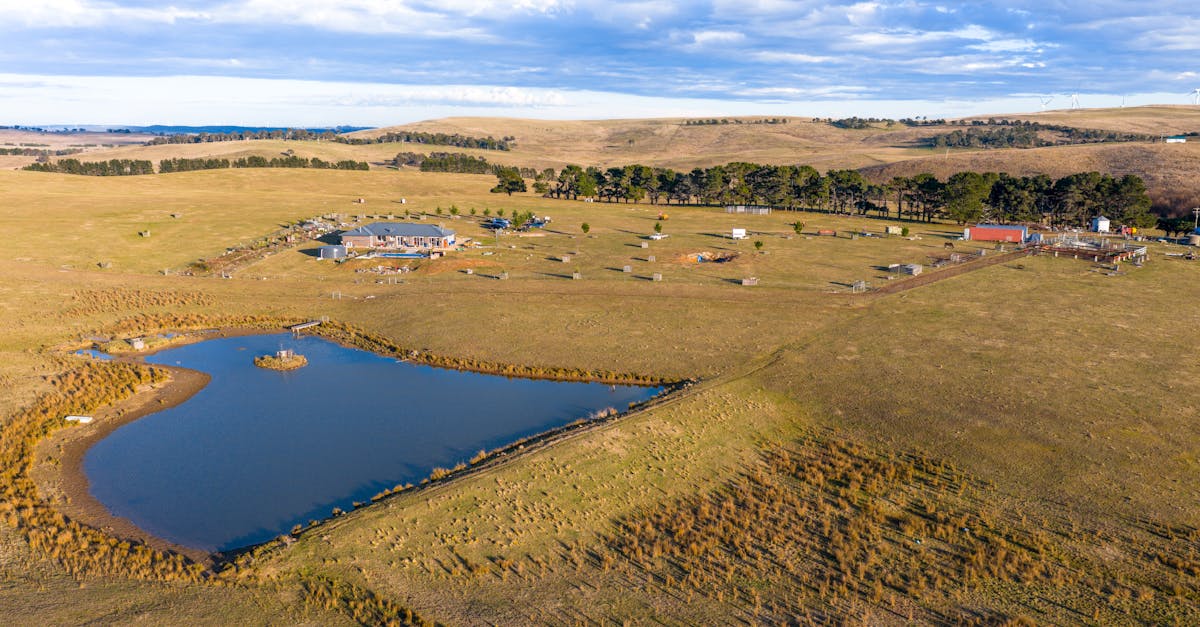
Aerial surveying has transformed how topographic data is collected and interpreted. Utilising advanced technologies such as drones and aircraft equipped with high-resolution cameras and LIDAR systems allows surveyors to capture detailed information over vast areas quickly. This approach reduces the time and labour required compared to traditional ground-based surveying methods. The ability to access hard-to-reach locations enhances the accuracy and comprehensiveness of the data collected.
In addition to efficiency, aerial surveying provides a unique vantage point for data collection. This perspective aids in identifying variations in terrain that may be overlooked from the ground. The integration of aerial data with Geographic Information Systems (GIS) enables surveyors to create detailed maps and models, facilitating better decision-making in land use, civil engineering, and environmental planning. As technology continues to evolve, the role of aerial surveying in topographic assessments remains essential for promoting precision and enhancing project outcomes.
Advantages of Drones in Topographic Surveys
Drones have revolutionised the field of topographic surveying. Their ability to quickly and efficiently cover large areas allows for data collection that was once time-consuming and labour-intensive. Equipped with high-resolution cameras and advanced sensors, drones can capture detailed imagery and elevation information, enhancing the accuracy of the surveys. They often operate at lower altitudes than traditional aerial methods, providing a unique perspective that reveals intricate landscape features.
The integration of drones into topographic surveys significantly reduces costs associated with manpower and equipment. Traditional surveying methods often require extensive ground crew involvement, which can prolong project timelines. Drones mitigate this requirement, allowing teams to focus on data analysis and interpretation rather than on physical data collection. Additionally, the use of drones can improve safety by reducing the need for personnel to access potentially hazardous terrain.
Processing and Analysing Survey Data
The processing and analysis of survey data is essential for transforming raw measurements into actionable insights. Professionals often rely on specialised software to manage this data efficiently. These software solutions allow for the integration of various data types, enabling surveyors to create precise digital terrain models and contour maps. Additionally, automated features can significantly reduce processing time while enhancing accuracy. The initial step usually involves cleansing the data to eliminate any anomalies or errors that could skew results.
Following data cleansing, detailed analysis is conducted to derive meaningful interpretations. Advanced algorithms and machine learning techniques can be employed to identify patterns and trends within the dataset. This phase often includes the generation of 3D visualisations to facilitate better understanding and planning. Results are then typically presented in digital formats, making it easier to communicate findings to stakeholders. By leveraging these technologies, surveyors can ensure that their analyses provide a solid foundation for decision-making.
Software Solutions for Data Management
The management of survey data relies heavily on robust software solutions designed to streamline workflow and enhance accuracy. Geographic Information Systems (GIS) play a crucial role in this process, offering tools for data compilation, visualisation, and analysis. These platforms enable surveyors to manage large datasets effectively while ensuring spatial information is easily accessible and interpretable. Many GIS applications come equipped with features that allow for the integration of various data sources, further enriching the analysis.
Another vital aspect is the use of dedicated surveying software. This software often includes capabilities for processing point clouds and conducting 3D modelling, ensuring that surveyors can transform raw data into valuable insights. The ability to create detailed topographic maps and perform volumetric calculations directly within these platforms enhances efficiency. Furthermore, user-friendly interfaces and tailored tools support surveyors in making precise measurements, thereby improving overall project outcomes.
Ensuring Compliance with Standards
Compliance with industry standards is crucial for the reliability of topographic surveys. Surveyors must familiarise themselves with local and national regulations that govern land surveying practices. Adhering to these standards ensures the accuracy of measurements and safety during data collection. Awareness of any changes in legislation can help prevent legal complications and ensure that survey findings are accepted by relevant authorities.
Understanding the frameworks and guidelines set by organisations such as the International Federation of Surveyors (FIG) can enhance the quality of survey results. Training and certification may be required to maintain compliance with these standards. By investing time in learning about these regulations, surveyors can apply best practices throughout their work, ultimately improving the integrity of the surveying profession and fostering trust with clients and stakeholders.
Understanding Regulations and Guidelines
Regulatory compliance is crucial in topographic surveying to ensure accuracy and accountability. Surveyors must stay informed about local, state, and federal guidelines that govern land assessments. These guidelines outline the necessary procedures and standards for data collection, which include requirements for equipment calibration and personnel qualifications. Adhering to these regulations not only ensures the integrity of the survey data but also protects the interests of all stakeholders involved, including landowners, developers, and public institutions.
Familiarity with the specific regulatory environment aids surveyors in navigating potential challenges. Each region may have unique laws governing land use, environmental protections, and cultural heritage considerations that impact survey activities. Understanding these regulations can facilitate smoother project execution and minimise risks associated with non-compliance. By prioritising adherence to relevant guidelines, surveyors can help guarantee that their work meets accepted standards for quality and reliability.
FAQS
What is the primary role of aerial surveying in topographic surveys?
Aerial surveying plays a critical role in topographic surveys by providing a birds-eye view of the terrain, allowing surveyors to capture high-resolution images and data that can be used for mapping and analysis.
What are the advantages of using drones for topographic surveys?
Drones offer several advantages for topographic surveys, including increased efficiency, ability to access hard-to-reach areas, reduced costs compared to traditional methods, and the ability to capture high-resolution imagery and 3D data quickly.
How is survey data typically processed and analysed?
Survey data is processed and analysed using specialised software that can handle large datasets, allowing surveyors to create accurate topographic maps, generate 3D models, and conduct detailed analyses of the terrain.
What software solutions are commonly used for data management in topographic surveys?
Common software solutions for data management in topographic surveys include GIS (Geographic Information Systems) software, CAD (Computer-Aided Design) programs, and specific surveying software like Autodesk and Global Mapper.
Why is it important to ensure compliance with standards in topographic surveying?
Ensuring compliance with standards is crucial in topographic surveying to maintain accuracy, reliability, and safety, while also adhering to legal and regulatory requirements that govern land use and environmental protection.
Related Links
Common Applications of Topographic Surveys in GeelongThe Role of Topographic Surveys in Environmental Planning
Essential Equipment for Conducting Topographic Surveys
Key Challenges Faced in Topographic Surveying
Innovations in Topographic Survey Methods
Integrating GIS with Topographic Surveying in Australia
The Importance of Elevation Data in Topographic Surveys
How Topographic Surveys Contribute to Land Development Projects