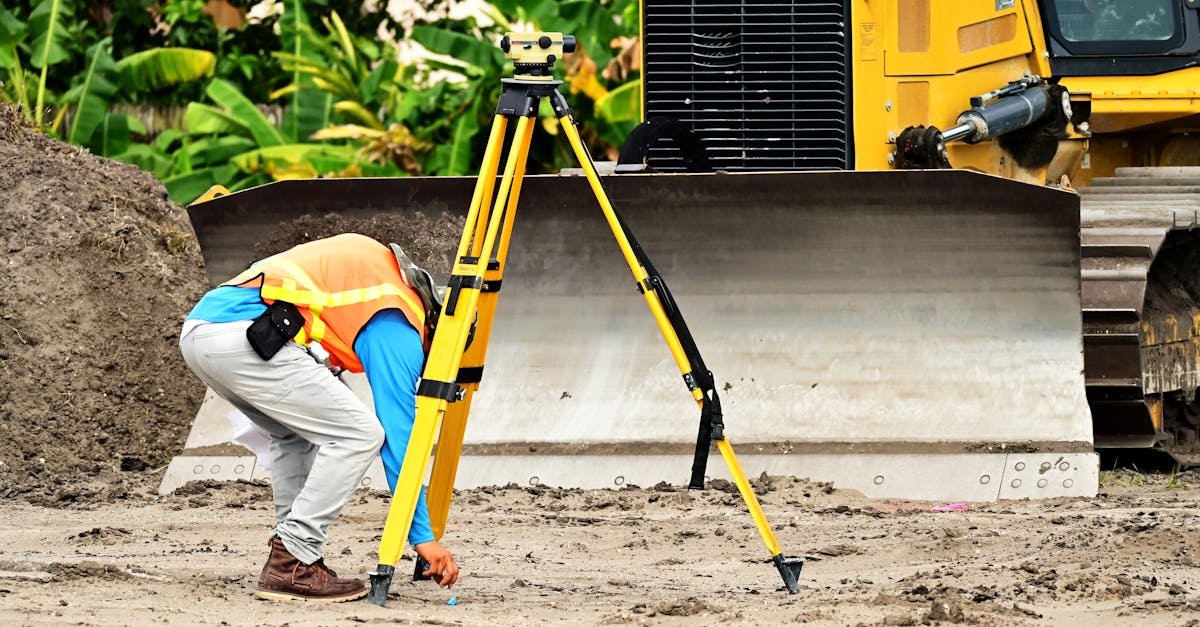
Navigating Ethical Standards in Land Surveying Practices
Table Of Contents
Strategies for Upholding Ethical Practices
Upholding ethical practices requires the establishment of a solid framework that emphasises accountability and transparency within surveying operations. Organisations should develop a clear code of ethics that outlines expected behaviours for all employees. Regular training sessions can reinforce these principles, ensuring that staff members are aware of their ethical obligations. Encouraging open dialogue about ethical dilemmas can also create a supportive environment where employees feel empowered to voice concerns without fear of reprisal.
Implementing best practices involves integrating ethical considerations into daily decision-making processes. Establishing mentorship programs can help junior surveyors learn from experienced professionals who embody these values. Fostering a culture of integrity also means recognising and rewarding ethical behaviour, which can motivate others to adhere to high standards. By cultivating an atmosphere that prioritises ethical conduct, organisations can strengthen their reputation and build trust with clients and stakeholders.
Implementing Best Practices in Daily Operations
Incorporating established protocols into everyday tasks is crucial for maintaining high ethical standards in land surveying. Regular training sessions can help surveyors stay informed about the latest practices and technology. Ensuring that all team members understand the importance of accuracy and transparency promotes a culture of integrity. Documentation should be meticulously maintained, providing clear records of decision-making processes, methods used, and data collected.
Communication plays a vital role in fostering ethical behaviour among surveyors. Encouraging an open dialogue about challenges and ethical dilemmas can create an environment where team members feel comfortable discussing potential issues. Regular reviews of work can highlight discrepancies and prevent biases from influencing outcomes. By instilling a strong ethical foundation in daily operations, firms are better equipped to navigate the complexities of land surveying with professionalism and respect for the public and the environment.
Navigating Conflicts of Interest
Conflicts of interest can arise in land surveying when personal or financial interests interfere with professional duties. The potential for bias may lead to compromised integrity in the surveying process. Surveyors need to maintain transparency with clients and stakeholders to establish trust. Regular training on identifying these conflicts is essential for protecting both the surveyor’s reputation and the interests of those they serve.
Awareness of situations that may result in conflicts is vital for professionals in the industry. Taking proactive steps to disclose any potential conflicts can prevent ethical dilemmas from escalating. Implementing clear policies around engagements with clients and stakeholders helps safeguard against perceived improprieties. This not only enhances the credibility of the surveying profession but also ensures that project results are both accurate and impartial.
Identifying and Mitigating Potential Biases
Biases in land surveying can arise from personal beliefs, client pressures, or external influences. These biases may lead to inaccurate representations of land and can undermine the integrity of the survey process. Surveyors should regularly reflect on their own perspectives and consider the impact these might have on their work. Training and awareness-raising efforts can equip professionals with the tools to identify these biases before they manifest in their reporting.
Engaging with diverse teams can also help mitigate biases. Collaborative practices that incorporate multiple viewpoints can reveal potential blind spots in survey data interpretation. Implementing standard operating procedures and checklists can serve as additional safeguards against biased judgments. Regular review processes are crucial, ensuring that surveys remain objective and uphold the highest standards of professionalism.
Legal Implications of Unethical Surveying
The legal landscape surrounding land surveying is complex, with various laws and regulations governing the conduct of surveyors. Unethical practices can lead to significant legal repercussions, including fines, loss of licensure, and civil lawsuits. Surveyors have a professional obligation to adhere to ethical standards, and failing to do so can open up avenues for litigation from clients, stakeholders, or even government entities. Such disputes often arise from negligent surveying methods, misrepresentation of data, or failure to disclose conflicts of interest, all of which can undermine the integrity of the profession.
Additionally, non-compliance with ethical standards can result in broader implications for the surveying industry as a whole. Systemic unethical practices can erode public trust, leading to increased scrutiny from regulators and a potential tightening of industry regulations. Surveyors found to be in violation not only jeopardise their careers but also contribute to a culture of mistrust that can adversely affect future projects and collaborations. Ensuring adherence to ethical guidelines is not merely a professional duty; it reflects the commitment to uphold the values and reliability upon which the surveying profession is built.
Understanding the Consequences of Non-compliance
Failure to adhere to ethical standards in land surveying can lead to severe repercussions for professionals in the field. Regulatory bodies may impose significant penalties, including fines or the suspension of licensure. In extreme cases, legal action may be taken against surveyors who are found guilty of unethical practices, which can further result in civil liability for damages incurred due to inaccurate or misleading surveys.
Non-compliance not only affects the surveyed parties but can also tarnish the reputation of the surveying profession as a whole. Trust in surveyors diminishes when unethical practices come to light, impacting future business opportunities and partnerships. For clients, the consequences may manifest in costly disputes over land ownership or development issues, leading to extended litigation and financial losses.
FAQS
What are the key ethical standards in land surveying?
Key ethical standards in land surveying include honesty, integrity, transparency, and professionalism. Surveyors must adhere to these principles to maintain public trust and ensure the accuracy of their work.
How can land surveyors implement best practices in their daily operations?
Land surveyors can implement best practices by regularly updating their technical skills, adhering to established guidelines, maintaining detailed records, and fostering open communication with clients and stakeholders.
What constitutes a conflict of interest in land surveying?
A conflict of interest in land surveying arises when a surveyor's professional judgement is compromised by personal interests, relationships, or financial incentives that could influence the objectivity of their work.
How can surveyors identify and mitigate potential biases?
Surveyors can identify and mitigate potential biases by engaging in continuous education, seeking peer reviews, maintaining transparency in their methodologies, and regularly reflecting on their decision-making processes.
What are the legal implications of unethical surveying practices?
The legal implications of unethical surveying practices may include penalties, loss of licensure, liability for damages, and damage to professional reputation. Non-compliance with ethical standards can lead to serious legal consequences for surveyors and their firms.
Related Links
The Role of Professional Associations in Setting Surveying StandardsRecent Amendments to Land Surveying Laws in Australia
The Impact of Environmental Legislation on Land Surveying Regulations
Implications of Non-Compliance with Land Surveying Standards
Challenges in Adhering to Survey Regulations in Urban Areas
Essential Regulatory Requirements for Land Surveyor Registration