Historical Development of Geodetic Surveying in Victoria
Table Of Contents
Development of Triangulation Networks
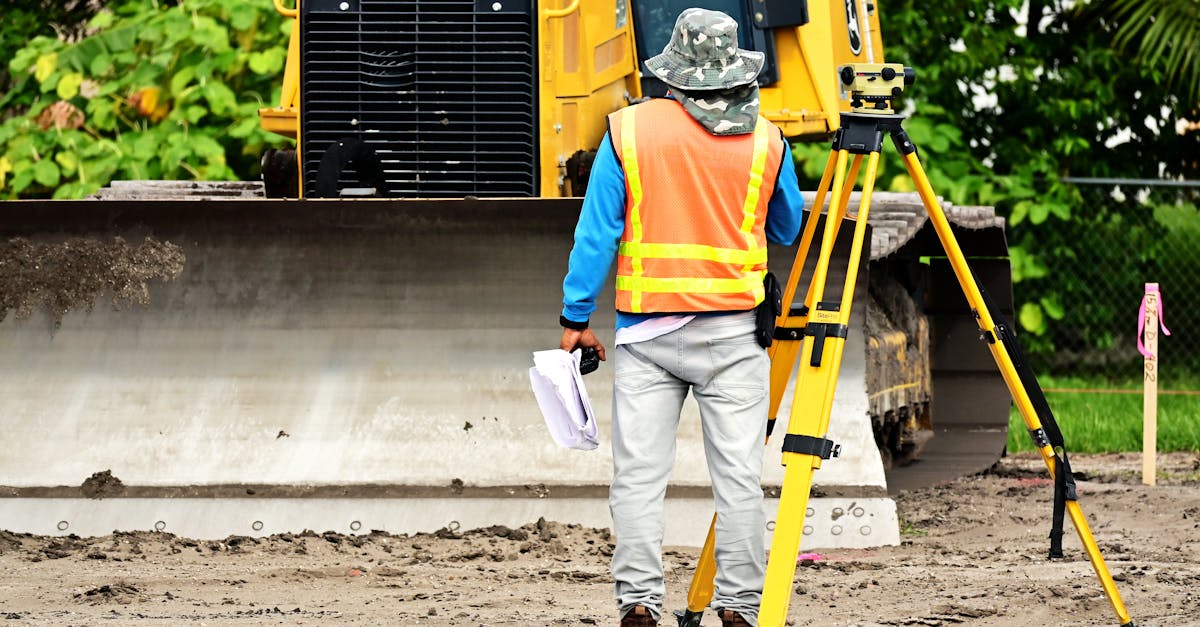
The establishment of triangulation networks marked a significant advancement in the accuracy of geodetic surveying during the 19th century. By employing a series of interconnected triangles, surveyors could calculate distances and elevations across vast landscapes with improved precision. This method involved careful measurements taken from strategically chosen points, allowing for the determination of both horizontal and vertical control. Innovations in measurement tools and techniques contributed to the effectiveness of this approach, with theodolites and later, more sophisticated instruments enhancing the process.
As Victorian society expanded, so too did the necessity for a well-structured triangulation network. The increasing demand for land surveying in urban development and agriculture prompted significant investment in these systems. Surveyors worked collaboratively to create extensive networks that covered large portions of the state, ensuring consistent data collection. The resulting frameworks laid the groundwork for future advancements in surveying technology and practices, establishing a crucial foundation for contemporary geodetic methods.
Methodologies and Implementation
Triangulation became a cornerstone of geodetic surveying in Victoria, allowing for the accurate determination of distances and angles over large areas. This method relied on the establishment of a series of triangular survey stations, each precisely measured using instruments like the theodolite. Surveyors would create extensive networks by interlinking these triangles, enhancing accuracy and enabling the mapping of vast landscapes. The methodology involved meticulous calculations and observations, facilitated by a fixed set of baseline measurements known for consistency and reliability.
As surveying practices evolved, techniques such as resection and intersection gained prominence to determine the positions of points relative to established stations. Surveyors combined traditional measurement methods with emerging technologies, leading to increased efficiency and accuracy. The implementation of theodolites and, later, electronic distance measurement devices revolutionised the field, allowing for quicker and more precise data collection. These advancements not only improved mapping capabilities but also laid the groundwork for subsequent developments in geodetic surveying methodologies.
Legislative Changes Affecting Surveying Practices
The evolution of surveying practices in Victoria has been significantly shaped by legislative changes throughout history. Legislation aimed at improving accuracy and standardisation began to emerge in the 19th century, establishing essential frameworks for land measurement and property ownership. Key acts laid the groundwork for professional regulations, detailing the qualifications required for surveyors and the methodologies they must adopt. These regulations were pivotal in ensuring that surveying was conducted with precision, accommodating the needs of an expanding population and facilitating growth in land development.
In recent years, the incorporation of technology has prompted further legislative adaptations. New laws have addressed the integration of advanced surveying techniques, including the use of GPS and digital mapping tools. As aerial surveying techniques gained popularity, the legislation evolved to manage airspace and protect privacy rights, ensuring that such methods could be implemented without infringing on individual freedoms. Ongoing adjustments to regulations reflect an ever-changing technological landscape, highlighting the need for legislative bodies to remain responsive to innovations within the surveying profession.
Key Laws and Regulations
Throughout the history of geodetic surveying in Victoria, several key laws and regulations have significantly shaped the practice. The Survey Act of 1828 laid the groundwork for land surveying, establishing formal procedures and standards that governed the work conducted by surveyors. Over the years, amendments to this act, along with other legislative measures, refined the regulatory framework, ensuring accuracy and accountability in surveying methods. The introduction of the Land Act in the mid-19th century further influenced surveying practices by addressing land allocation and usage, thus necessitating well-defined surveys for land parcels.
In the 20th century, additional legislation sought to modernise surveying practices in response to technological advancements. The Surveyors Act of 2003 was pivotal, introducing new qualifications and establishing a licensing system for practicing surveyors. This legislation aimed not only at improving professional standards but also at ensuring that surveyors adhered to ethical guidelines. The subsequent implementation of the Spatial Information Act further expanded the regulatory landscape, promoting the use of geospatial information in planning and development across Victoria.
The Emergence of Aerial Surveying
The development of aerial surveying in Victoria marked a significant transformation in geodetic practices. Initially reliant on ground-based methods, surveyors began to realise the potential of aircraft for capturing more extensive and varied landscapes. World War I advancements in aviation technology created the foundation for this shift. The introduction of aerial photography allowed for the rapid collection of detailed spatial data, vastly improving the accuracy and efficiency of mapping processes.
As aerial survey capabilities evolved, so did the methodologies applied in data collection and analysis. Surveyors utilised photogrammetry to extract precise measurements from aerial images, facilitating large-scale projects that previously required immense resources and time. The integration of aerial data with existing geodetic networks enabled more comprehensive geographic information systems, fostering progress in urban planning, infrastructure development, and environmental monitoring across the region.
Transition from Ground-Based Methods
The shift towards aerial surveying marked a significant evolution in geodetic practices during the mid-20th century. This transformation was driven by advancements in technology, making it possible to capture vast areas of land with unprecedented accuracy. Aerial photography enabled surveyors to create detailed topographic maps and comprehensive geographic information, eliminating many limitations of traditional ground-based methods.
Surveyors began to utilise light aircraft and drones to conduct surveys more efficiently. Aerial methods allowed for the rapid collection of data over rugged terrains and hard-to-reach locations. The integration of satellite technology further enhanced the precision of these surveys, leading to refined mapping capabilities that laid the groundwork for contemporary geospatial applications. This progression illustrated not only a methodological shift, but also a broader change in how geographical data was perceived and utilised by various sectors, including urban planning and environmental management.
FAQS
What is geodetic surveying?
Geodetic surveying is the science of measuring and understanding the Earth's geometric shape, orientation in space, and gravity field. It involves techniques and methodologies to determine precise positions and distances over large areas.
How did triangulation networks develop in Victoria?
Triangulation networks in Victoria developed through systematic measurements and observations, allowing surveyors to create a network of triangles that facilitated accurate mapping and position determination across the region.
What legislative changes have impacted surveying practices in Victoria?
Legislative changes that have affected surveying practices in Victoria include the introduction of key laws and regulations that govern land use, property rights, and surveying standards, ensuring accurate and reliable surveying methods are adhered to.
What are some key laws and regulations influencing geodetic surveying in Victoria?
Key laws and regulations include the Surveying Act, land title legislation, and various state regulations that outline the responsibilities of surveyors, precision requirements, and the standards for conducting surveys.
How has aerial surveying changed geodetic surveying methods in Victoria?
The emergence of aerial surveying has revolutionised geodetic surveying by enabling faster and more extensive data collection, transitioning from traditional ground-based methods to using aircraft and drones for mapping and analysis, thus enhancing accuracy and efficiency.
Related Links
Essential Skills for Professionals in Geodetic SurveyingThe Role of Geodetic Surveys in Coastal Management in Geelong
The Challenges of Geodetic Surveys in Rugged Australian Terrain
Applications of Geodetic Surveys in Environmental Monitoring
Innovations in Geodetic Surveying Technology in Australia
The Importance of Reference Frames in Australian Geodetic Surveys
Exploring the Integration of Geodetic Surveys with Other Survey Types
Advanced Techniques in Geodetic Surveying for Precise Measurements