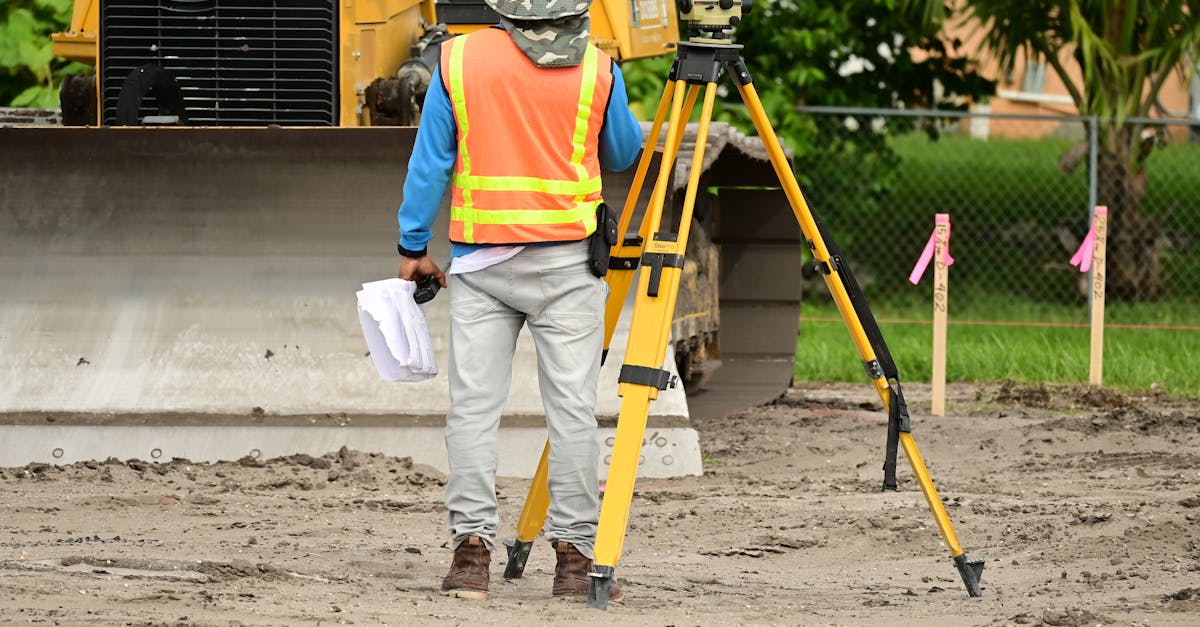
Best Practices for Liability Coverage in Geelong's Surveying Industry
Table Of Contents
Choosing the Right Insurance Provider
A well-informed decision about an insurance provider is crucial for effectively managing liability risks. Start by researching companies that specialise in the surveying industry, as they will better understand the specific challenges and legal requirements faced by professionals in this field. Look for providers with a solid reputation and positive customer reviews, as these factors can indicate reliability and service quality. It is also beneficial to check their financial stability to ensure that they can meet claims promptly.
In addition to company reputation, assess the types of coverage offered. Premiums can vary significantly, so gather quotes from multiple insurers to compare not only costs but also the extent of their coverage. Pay close attention to the terms and conditions, including any exclusions that may affect your business. Having a clear understanding of the coverage will aid in determining whether the insurance aligns with your needs and provides sufficient protection for your operations.
Key Factors to Consider
When selecting liability coverage, understanding the specific risks associated with surveying work in Geelong is crucial. Various elements such as the types of projects undertaken, the size of the firm, and the workforce's qualifications can significantly impact the type of insurance needed. Additionally, considering the geographic specifics of the area can help tailor coverage, as environmental conditions might pose unique challenges for surveyors.
Another important aspect involves evaluating the reputation and reliability of the insurance provider. Researching customer feedback and understanding the provider’s claims history can offer valuable insights into their service reliability. Furthermore, assessing the policy details, including exclusions and limitations, is essential to ensure comprehensive coverage that aligns with business operations. A carefully selected provider can contribute significantly to risk management and peace of mind in daily operations.
Cost Considerations for Insurance
When evaluating liability coverage options, understanding the costs involved is essential for professionals in the surveying industry. Insurance premiums can vary significantly based on factors such as individual risk profiles, the nature of services provided, and past claims history. It’s advisable to obtain multiple quotes from different providers to ensure a comprehensive comparison. This can help identify the best value for necessary coverage while still maintaining adequate protection against potential claims.
Budgeting for liability coverage requires a balance between affordability and comprehensive protection. Assessing the specific needs of the business will assist in determining the appropriate level of coverage. It may be worthwhile to consult with an insurance broker who has experience in the surveying sector. Their expertise can provide insights into appropriate policy features and endorsements that could benefit long-term financial planning.
Budgeting for Liability Coverage
Understanding the financial implications of liability coverage is essential for surveying professionals in Geelong. Assessing expected expenses involves not only premiums but also potential out-of-pocket costs during claim processes. It is crucial to analyse the level of coverage required based on the scale of operations, clientele, and types of projects. This evaluation can prevent underinsurance, which can lead to significant financial liabilities in the event of a claim.
Establishing a budget requires a clear overview of current financial commitments and projected income. It is advisable to include insurance costs as a standard business expense when forecasting annual budgets. Regularly reviewing and adjusting coverage allows for alignment with changing business needs and ensures adequate protection is always in place. Engaging with a professional advisor can provide insights into effective budgeting strategies tailored to the unique needs of the surveying business.
Claim Process for Liability Coverage
Navigating the claim process for liability coverage requires a clear understanding of the steps involved. Initially, it is crucial to document the incident thoroughly. This includes taking photographs, gathering witness statements, and compiling any relevant reports or contracts. Such evidence supports the claim and aids in building a strong case with the insurance provider. Each policy may have specific requirements, so reviewing the details of the coverage can prevent any surprises later on.
Once the necessary documentation is in place, notifying the insurance company is the next step. This should be done as soon as possible to ensure a timely response. Many providers have specific forms for reporting incidents, and completing these accurately is essential. Be prepared to discuss the circumstances surrounding the incident, as well as any preliminary assessments. Transparency during this phase can expedite the evaluation process and help facilitate a quicker resolution.
Steps to Take After an Incident
It is crucial to act promptly after an incident occurs. Begin by reviewing the situation to determine the extent of damage or injury. Document everything clearly, including photographs of the site and any injuries sustained. Collect contact information from witnesses as their testimonies may be valuable later. Keeping meticulous records will streamline communication with your insurance provider and simplify the claims process.
Once the immediate details are gathered, notify your insurance company as soon as possible. Provide them with all relevant information and documentation about the incident. Follow up to ensure your report is acknowledged and ask for clarification on any next steps. Maintaining open lines of communication with your insurer will help facilitate a smoother claim experience.
FAQS
What types of liability insurance are recommended for surveying professionals in Geelong?
Surveying professionals in Geelong should consider professional indemnity insurance, public liability insurance, and product liability insurance to protect against various risks associated with their work.
How can I determine the right level of coverage for my surveying business?
Assess the specific risks associated with your services, consider the size and scope of your projects, and consult with an insurance advisor to find the coverage that suits your business needs.
What are common factors that affect the cost of liability insurance for surveyors?
Factors include the size of your business, the nature of the projects you undertake, your claims history, and the specific coverage limits you choose.
How can I effectively budget for liability coverage in my surveying business?
Start by estimating your annual income and then allocate a percentage of that towards insurance costs. Review your expenses and financial forecasts to ensure you can accommodate the premiums.
What should I do immediately after an incident to ensure a smooth claims process?
Document the incident thoroughly, gather evidence, notify your insurance provider as soon as possible, and follow their specific instructions to initiate the claims process.
Related Links
Impact of Negligence on Land Surveyors' Insurance PoliciesNavigating Claims and Complaints in Surveying Liability
Evaluating Your Coverage Needs as a Land Surveyor
Essential Legal Considerations for Surveying Insurance
Comparing Liability Policies for Land Surveyors
Risk Management Strategies for Surveying Professionals
The Role of Professional Indemnity Insurance in Surveying
Insurance Requirements for Land Surveyors in Geelong
Understanding Professional Liability in Land Surveying Practices